
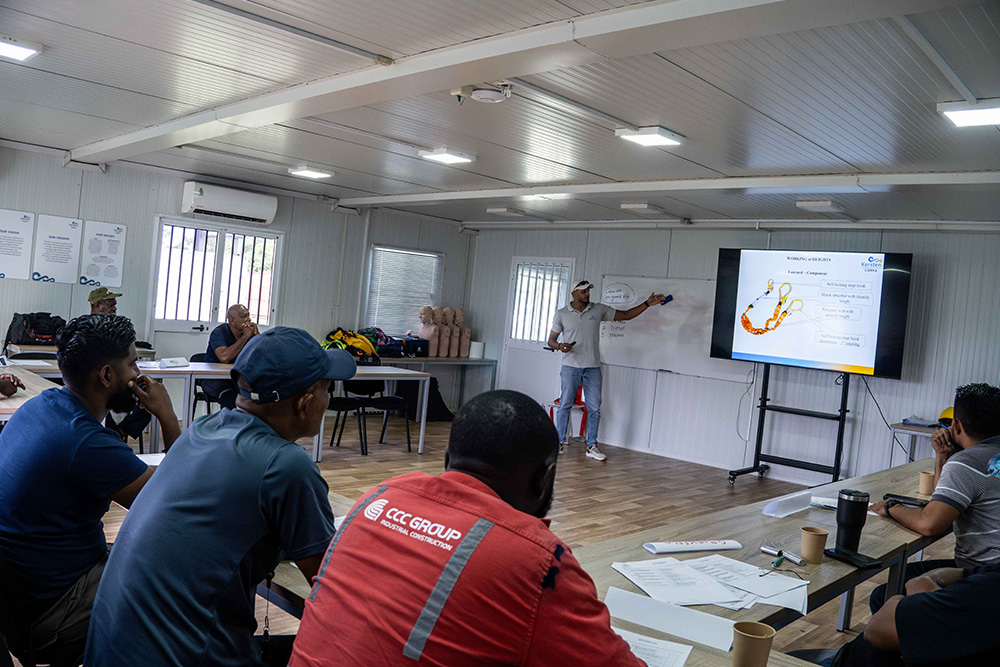
This Product is to introduce the fundamental safety elements of the oil & gas industry to new starts, giving an appreciation of the potential hazards and controls that might be encountered by personnel. Each unit has been designed to focus the Learners’ attention on their personal responsibility for safety thus influencing their behavior and attitude towards their co-workers, the oil and gas operations and the environment. This Product will introduce learners to the key safety elements required by all employees working in the oil and gas industry. It also ensures the knowledge and understanding of these basic safety elements are maintained and current amongst the existing workforce.
This Product is to introduce the fundamental safety elements of the oil & gas industry to new starts, giving an appreciation of the potential hazards and controls that might be encountered by personnel. Each unit has been designed to focus the Learners’ attention on their personal responsibility for safety thus influencing their behavior and attitude towards their co-workers, the oil and gas operations and the environment. This Product will introduce learners to the key safety elements required by all employees working in the oil and gas industry. It also ensures the knowledge and understanding of these basic safety elements are maintained and current amongst the existing workforce.
The Legislative Framework relating to Oil and Gas Operations
The usage of Safety Case methodology in Oil and Gas Operations
The Safety Management System in Oil and Gas Operations
Safe Systems of Work (SSOW)
Safety Observation Systems
Safety Observation Systems input and card completion (practical)
Personal Contribution and Responsibility for Safety
Risk Assessment
Risk Assessment (practical)
Principles and Objectives of a PTW system and how permits are generated
Identification of controls (practical)
Manual Handling Hazards
Manual Handling Controls and Mechanical Devices
Safe Lifting Techniques (practical)
Sources of Chemical Hazards
Practical Controls for Chemical Hazards (practical)
There are no specific medical requirements, although personnel must have a current offshore medical certificate before being allowed to work offshore.
Cost includes lunch and drinks.

This Product is to introduce the fundamental safety elements of the oil & gas industry to new starts, giving an appreciation of the potential hazards and controls that might be encountered by personnel. Each unit has been designed to focus the Learners’ attention on their personal responsibility for safety thus influencing their behavior and attitude towards their co-workers, the oil and gas operations and the environment. This Product will introduce learners to the key safety elements required by all employees working in the oil and gas industry. It also ensures the knowledge and understanding of these basic safety elements are maintained and current amongst the existing workforce.